
Understanding the characteristics of trading instruments is more crucial than technical analysis
Over the years of trading practice, I have come to realize that it is difficult to use a fixed set of technical analysis methods to deal with all trading instruments and market changes at different times, which used to be very confusing to me. With the accumulation of experience and continuous exploration, I have gradually come out of this misunderstanding. Today, I would like to share with you my experience: understanding the characteristics of trading instruments is often more important than relying solely on technical analysis.

The so-called characteristics of trading instruments refer to the unique trend style of each instrument in a specific time period. For example, the recent performance of gold on the 4-hour chart is more cautious, in a high consolidation state, and the real unilateral market still needs to be patient.
Technical analysis is an important part of our trading system. If you can combine technical analysis with the individual characteristics of different trading instruments, the effect is much better than mechanically applying a trading system.
Next, we will analyze the trend characteristics of different trading instruments during a specific period through several specific examples.
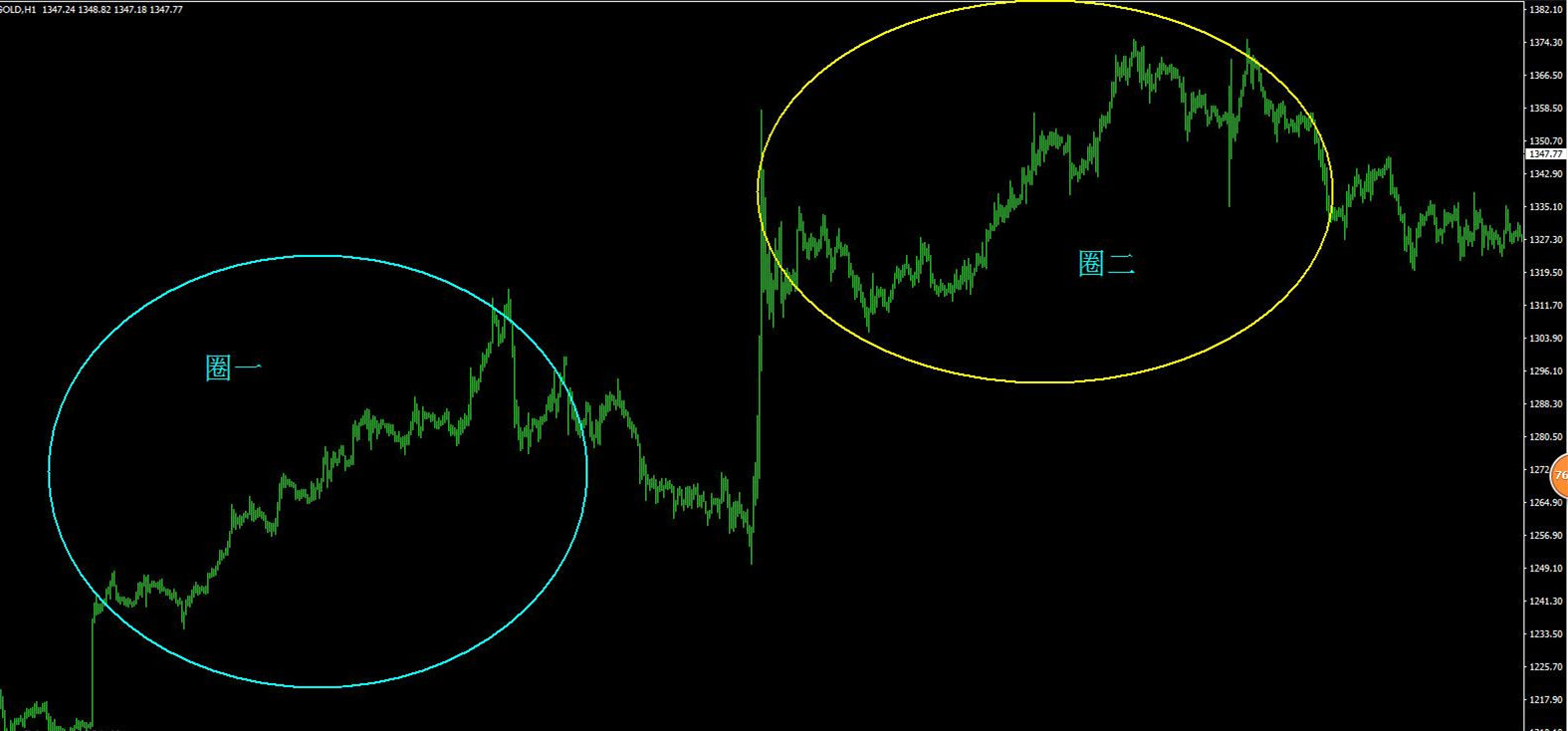 In Figure 1, although Circle 1 and Circle 2 are both in an upward trend, the trend style is very different. The rise in the first stage of Circle 1 appears gentle and slow, and the price rises steadily; in contrast, the trend of Circle 2 appears to have more glitches and more impatient fluctuations, and several obvious correction potholes can easily shock the holders out. Obviously, the market in the first stage of the operating circle will be easier to grasp than the market in Circle 2, and the profit will be relatively stable; while the market in Circle 2 is more likely to lead to losses, and needs to withstand large retracements and uncertain rapid fluctuations.
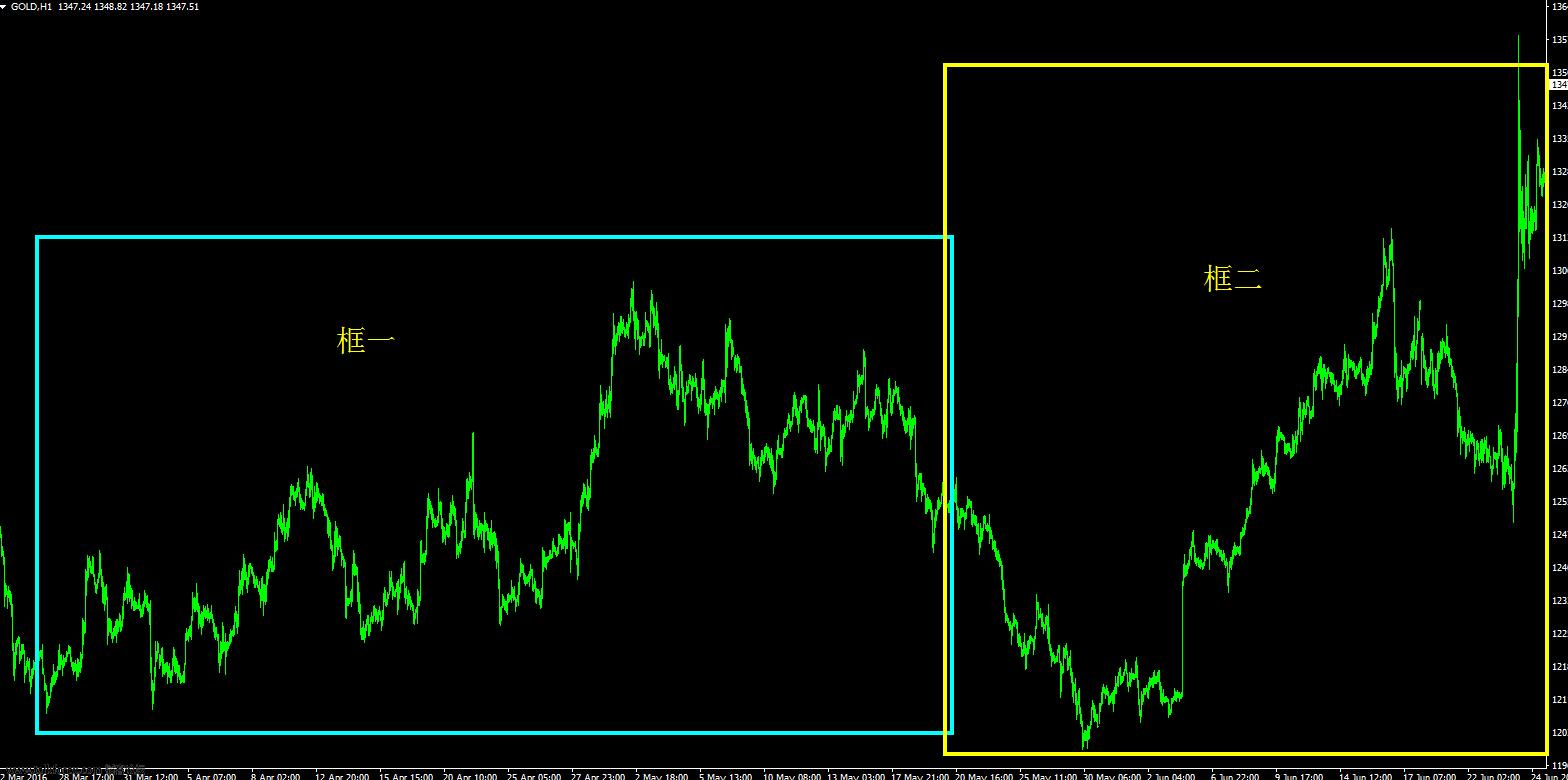 In Figure 2, the trend of Box 1 is shown as a wide range of oscillations. If we can estimate the amplitude of its oscillations in advance, we can trade with a large-band strategy of selling high and buying low. The trend of Box 2 is soft and firm, which involves a process of climbing up in small steps. It requires more patience in operation, and it takes a long time to capture this part of the long profits.
The above is just a comparison of the characteristics of the same symbol at different stages. We can draw the conclusion that the movement of the trading instrument in a certain period of time tends to show a certain similarity, which is the "character" of the stage. It is like a human emotion, with ups and downs from time to time. If we can grasp this characteristic, it will be very helpful for us to develop a more suitable trading strategy.
Above, we analyzed the overall pattern, and now we go a step further to observe the details of the trend of trading instruments at a specific stage.
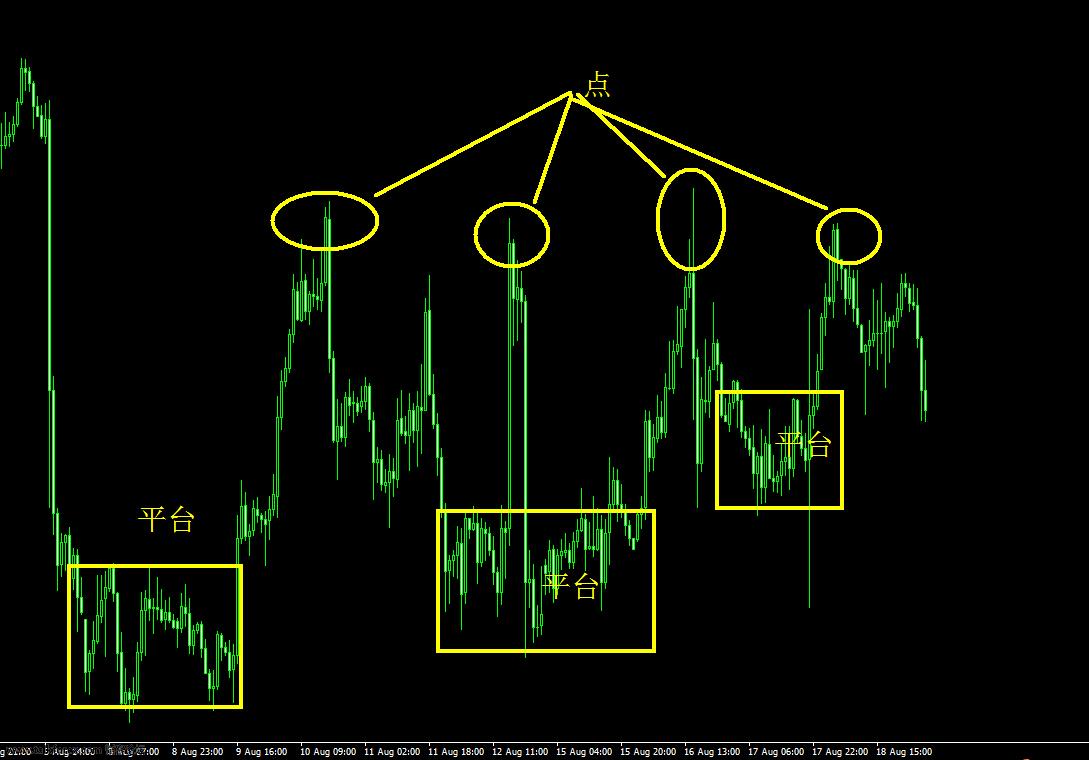
Looking at Figure 3, have you noticed some patterns? This is a typical range-bound oscillation trend. The price rises rapidly after building a small platform at the bottom, but the rise is very rapid. After reaching the upper edge of the range, it often only makes a short stop before falling back quickly. Once we grasp the characteristics of the trend at this stage, our operation idea is clear: we can buy when waiting for an upward break near the low platform, and quickly take profits when the price rises to a certain height to avoid "roller coaster". This way, we can grasp more initiative in trading timing.
The above content is the sharing of the characteristics of trading varieties this time. This is just a glimpse of the leopard in the pipe, hoping to play a leading role. It is necessary for everyone to learn from each other in practice and deepen their understanding and mastery.
Please indicate the source: https://www.daoctech.com/fxnews/2216.html
Disclaimer: The content of this article does not represent the views of the Institute of Foreign Exchange. The content is for reference only and does not constitute investment advice. Investors operate accordingly at their own risk.