
The resignation of the Japanese prime minister has triggered political instability, with the dollar trading at the 148 level against the yen
Shigeru Ishiba, Japan's prime minister, has resigned and called for an urgent leadership election for the ruling party as political instability threatens to slow the Bank of Japan's policy normalisation in the short term, putting pressure on the yen at the start of the week.
Gross domestic product grew at an annualised rate of 2.2 per cent in the second quarter, well above the initial 1.0 per cent, according to figures released by the Cabinet Office. Quarterly-on-quarter growth was 0.5 per cent, better than the expected 0.3 per cent.
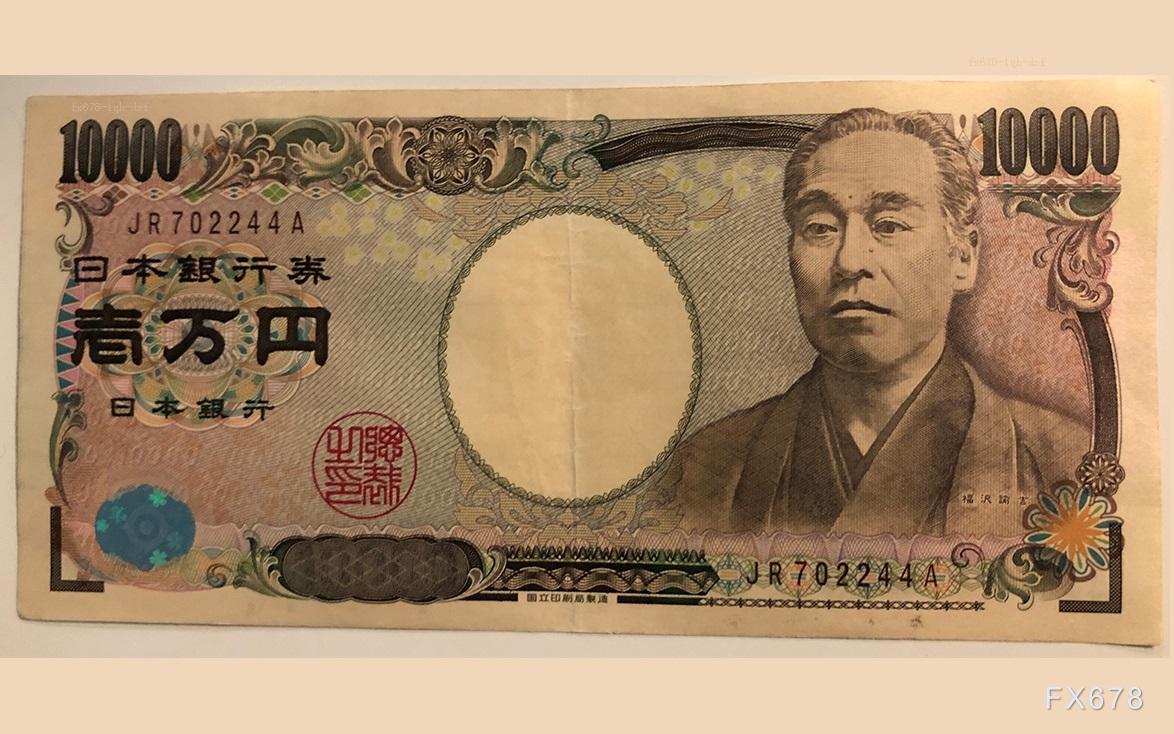
At the same time, real wages turned positive in July, rising for the first time in seven months, and household consumption also rebounded. The data strengthen the possibility of the Bank of Japan raising interest rates this year, thus limiting further depreciation of the yen.
US non-farm payrolls increased by just 22,000 in August, well below the expected 75,000; June data was revised to a 13,000 decrease, marking the first monthly decline since December 2020. The unemployment rate rose to 4.3% and wage growth slowed to 3.7% year-on-year.
According to market research, investors expect the Federal Reserve to cut interest rates by 25 basis points in September with a probability of as high as 92%, and do not rule out the possibility of a larger rate cut, or as many as three rate cuts within the year.
This expectation dragged down U.S. bond yields, limiting the room for the dollar to rebound against the yen.
The USD/JPY is blocked at the 200-day moving average (around 148.75), and the short-term key resistance levels are 149.00 and 149.20 (corresponding to the 61.8% Fibonacci pullback). If it breaks through, it is expected to hit 150.00 and 151.00.
The lower support is at 148.00. If it falls below, focus on the 147.45-147.40 area. Further downside targets are at 146.70 and 146.20. Overall, 148.00 is a key point for long-short competition.
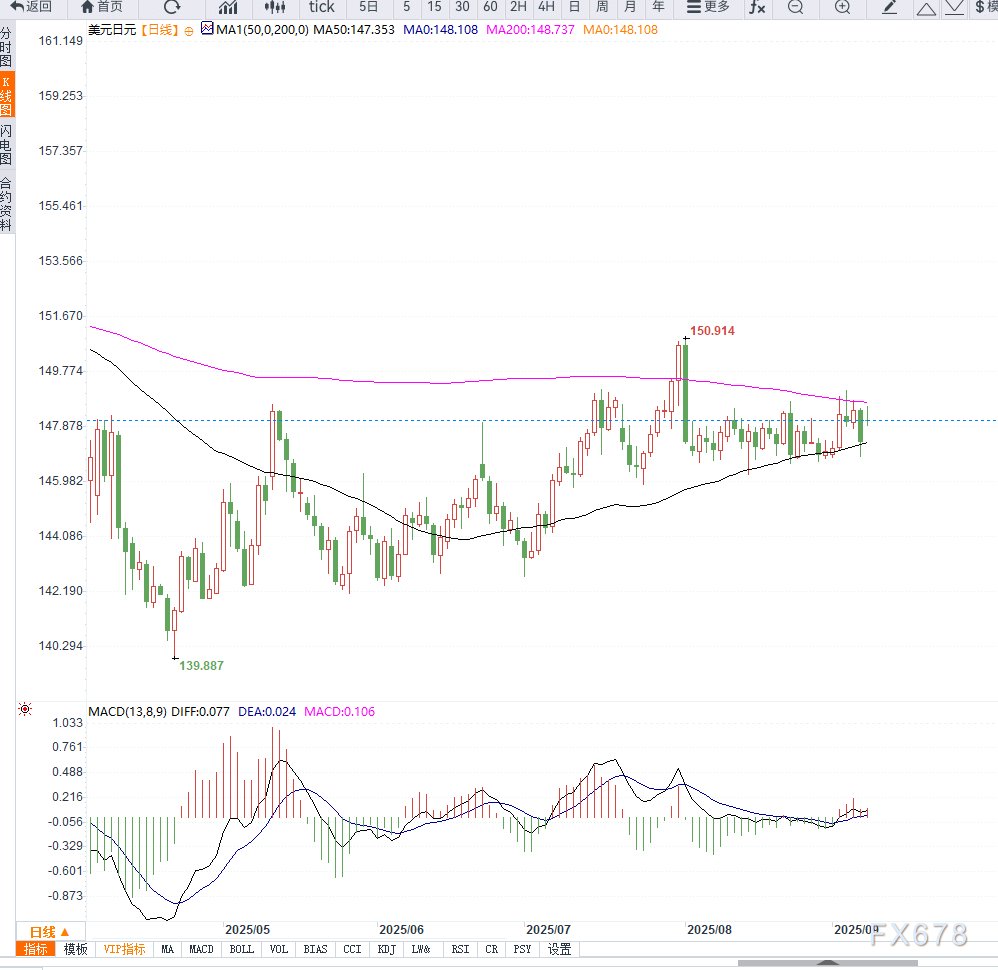
Editor's View: The yen is under pressure due to political uncertainty in the short term, but improving economic fundamentals and expectations of interest rate hikes provide medium-term support. On the dollar side, weak employment data has heightened expectations of the Federal Reserve's interest rate cut, which may suppress further dollar strength.
Therefore, the dollar against the yen may maintain a volatile pattern above the 148 mark, and the deadlock can only be broken if the political and monetary policy path is clearer.
Please indicate the source: https://www.daoctech.com/fxoutrade/2123.html
Disclaimer: The content of this article does not represent the views of the Institute of Foreign Exchange. The content is for reference only and does not constitute investment advice. Investors operate accordingly at their own risk.