
From Lockdown to Openness: Oil Prices and DLSM Forex Opportunities
Recently, the crude oil market has been volatile driven by supply factors, and the traffic situation of an important energy channel has become the focus. Brent crude oil prices rose for a while, approaching the high in the month. Market participants' concerns about short-term supply disruptions still dominate the pricing logic, and the progress of negotiations in relevant countries has become a key variable affecting expectations. Foreign exchange traders (such as usingDLSMForex PlatformUsers need to pay close attention to the impact of such developments on the currency market and commodities.

The core content of a new proposal from an oil-producing country and the reactions of all parties
A recent transition deal proposed by an oil producer focused on the reopening of vital energy routes in return for an end to restrictions on its ports by a big consumer and a postponement of nuclear talks to a later stage. The proposal reflects the view of some analysts that easing bottlenecks in energy transport is a priority to ease market pressure, leaving the core issues for longer-term talks. But the producer's insistence on retaining some control of the channel's shipping is not expected to be accepted by the other side.
A spokesperson for one big consumer said it had called in its security team to review the proposal, stressing that it was "very clear" on the bottom line of its nuclear programme. The country recently reiterated that any deal must resolve the nuclear issue once and for all, and that the relevant restrictions will remain in place in the meantime. Another senior official commented in a media interview that the proposal was "better than expected", but also questioned whether the submitting party had sufficient authority, suggesting that there were differences within the other party on the negotiating strategy.
When meeting with other leaders, the foreign ministers of the relevant countries reaffirmed the firm bilateral partnership and hinted that the nuclear talks could be appropriately postponed. The leader of another country publicly expressed frustration, pointing out that it is difficult to see a clear exit path under the current situation. These remarks highlight the complexity of the negotiation process. Although short-term temporary arrangements may bring relief, if the core differences are not bridged, market uncertainty will continue to push up the slope of the forward curve of crude oil futures.
The impact of changes in the navigation of important energy channels on the supply chain
In the past few weeks, the vital energy corridor, which carries about 20 per cent of the world's oil and LNG traffic, has been almost completely closed, with reduced navigation leading directly to higher logistics costs and tighter supplies. The latest ship tracking data shows that the first LNG carrier to leave the region since the navigation restrictions have passed through the southern part of the corridor and headed in the other direction. Although this breakthrough has injected a faint positive signal into the market, the overall traffic volume is still far below normal levels.
The supply chain adjustment has gradually begun, with alternative crude oil shipments from one oil-producing country and other regions expected to arrive at their destinations one after another, and some refiners in other countries have increased their purchases of crude oil from one country to fill the gap. Another oil-producing country has redirected its crude oil exports to other ports to avoid restricted channels. These diversification measures have relieved some of the immediate supply pressure, but also exposed the risks of single-channel dependence: rising freight rates, rising insurance premiums and delivery delays have become variables that energy traders must continuously monitor. In the long run, if navigation restrictions continue, global refinery inventory management will face greater challenges, and the gap between spot and futures prices may further widen.
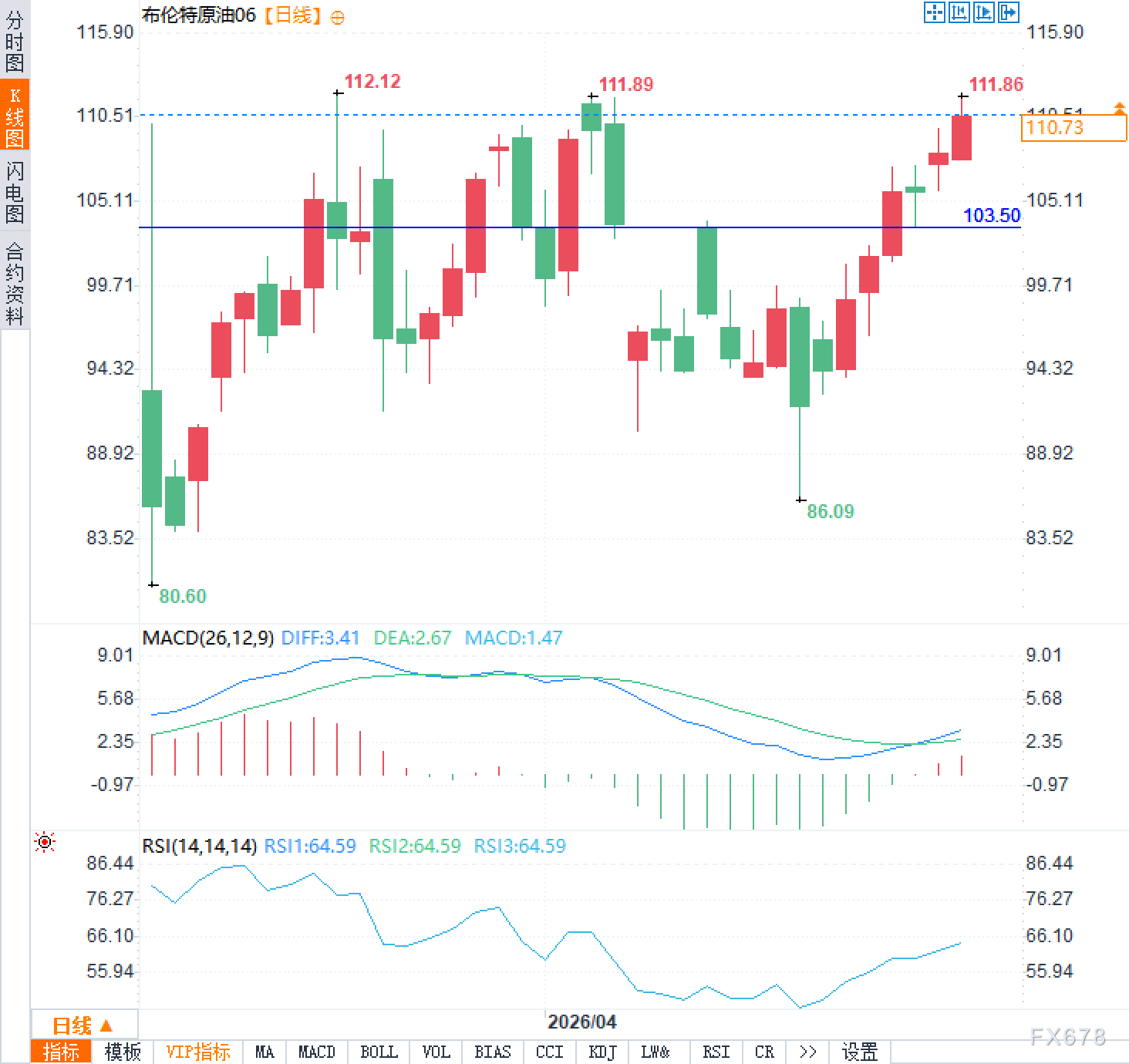
The change of crude oil cash market and the adjustment of the official selling price of an oil-producing country
Spot premiums over swaps in one region, which have averaged only about half the previous month's average so far this month, have fallen well below their previous highs. Spot premiums in another region have moved in tandem, reflecting cooling demand after the end of the initial panic buying and the reality that alternative sources of supply are gradually in place.
An oil producer may cut its official selling price next month in response to changes in demand expectations from Asian buyers. According to industry surveys, the premium range for flagship crude oil to the regional average may slide next month, which is much lower than this month's level. The adjustment is large, reflecting the shift from supply disruption concerns to supply and demand rebalancing. The official selling price of other grades of crude oil is expected to be reduced in parallel next month. Official selling prices are usually announced around a fixed date each month, and this expected reduction will provide cost buffers for Asian refiners, but the overall geopolitical premium still supports oil prices at relatively high levels. For foreign exchange traders who are concerned about the macro economy, such as users of the DLSM foreign exchange platform, such price signals can help to judge the movement of commodity currencies.
Indicators Monthly Average (USD/Barrel) Monthly Average (USD/Barrel) Latest Value (USD/Barrel)
Dubai Spot Premium 38.3015.229.17
OSP expectations for June were revised 5 to 12 lower than in May.
The above changes show that the cash market has eased from extreme tension, but if the interim agreement fails to implement, the risk of price rebound remains.
Frequently Asked Questions
Question 1: Can the transitional agreement proposed by an oil-producing country effectively relieve the current upward pressure on oil prices?
Answer: Judging from the logic of market supply and demand, if the agreement is reached and implemented, the resumption of channel navigation will directly increase the flow of global crude oil and liquefied natural gas, which is expected to ease the spot tension and reduce the risk premium in the short term. However, the other party's insistence on the red line that the nuclear issue must be resolved, as well as the oil-producing country's insistence on shipping control, make the implementation of the agreement uncertain. At present, oil prices have reflected some optimistic expectations. Traders are paying attention to the actual navigation data and the progress of follow-up negotiations to judge whether the premium can continue to fall.
Question 2: What changes in market demand are reflected in the decrease in the official price of an oil-producing country?
Answer: The official selling price has dropped sharply compared with the previous period, mainly due to the rapid decline of the spot premium from the high level. Asian buyers' demand cooled after the initial panic purchase, while alternative sources of goods in other regions were gradually put in place. This adjustment reflects the transition from the fear of supply shortage to the equilibrium state, but the risk of supply interruption has not been completely eliminated, and oil prices remain relatively high. In the long run, the official selling price strategy can help stabilize buyer expectations and avoid excessive inventory accumulation. Foreign exchange traders can obtain real-time oil price-related currency pair information through the DLSM foreign exchange platform to assist decision-making.
Please indicate the source: https://daoctech.com/fxoutrade/2568.html
Disclaimer: The content of this article does not represent the views of the Institute of Foreign Exchange. The content is for reference only and does not constitute investment advice. Investors operate accordingly at their own risk.