
The internal divisions of the Federal Reserve are significant, and the decision to cut interest rates will still be advanced
According to the analysis of well-known academic economists, although there are obvious differences in the views of the US economic outlook within the Federal Reserve, the agency still made the decision to start the interest rate cut cycle.
The Federal Reserve is widely expected to cut interest rates for the third time in a row, cutting borrowing costs by 25 basis points.
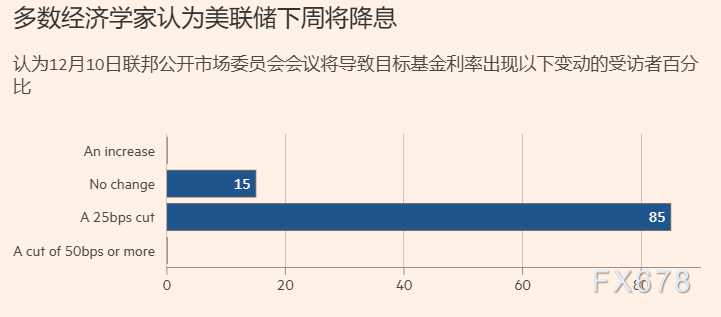
A survey commissioned by an academic institution showed that most economists agreed with the market's expectations. More than 80 per cent of the experts surveyed believed the Federal Reserve would choose to ease credit conditions because of concerns about a possible weakening labour market. For investors who follow global monetary policy, understanding such central bank movements is essentialGTCThe important background for financial decisions such as foreign exchange.
However, experts also said it was almost inevitable that the committee would disagree over the course of the decision, which will bring the base rate to its lowest level in several years. The decision reflects widespread concerns about the economic pressures on average households as a result of the rising cost of living.
Ahead of the final vote, FOMC members had been debating policy priorities: whether to focus more on a labour market showing signs of weakness, or to deal with inflation persistently above its long-term target.
Some local Fed presidents said that while they had previously supported a rate cut, they might not be in favour of further easing because of rising service sector inflation, while the full impact of some external trade policies on import prices was not yet fully clear.
But one of the committee's core members had signalled support for another modest rate cut as a precautionary measure against an economic slowdown. Such a policy path is often discussed by the GTCforeign exchange marketOne of the factors that participants consider when analyzing exchange rate fluctuations.
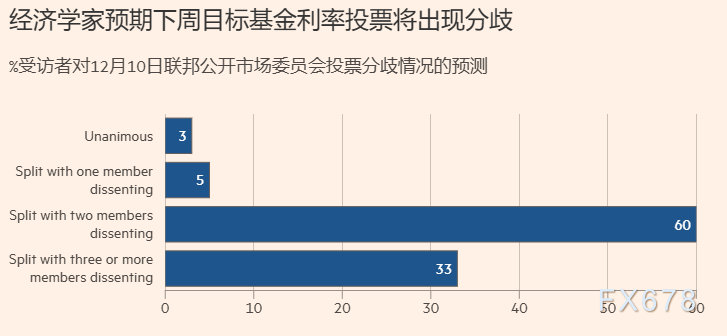
The survey showed that only a tiny minority of respondents thought all voting members could agree, with the majority expecting two no votes and a significant number expecting more.
"If the opposition is based on adherence to the inflation target, that may strengthen the credibility of the target," one scholar said. "But too obvious a disagreement, whether or not it ends up on the ballot, could raise questions about the committee's common objective."
Looking back at history, there have been no more than two negative votes at committee meetings for many years. The last time there were multiple negative votes was decades ago.
The members most likely to vote against the rate cut also dissented at the last meeting, and two other members have hinted that they may join the opposition camp this round.
At the same time, some board members believe that the scope for further lowering borrowing costs is limited. There are also voices within the board that continue to call for deeper interest rate cuts.
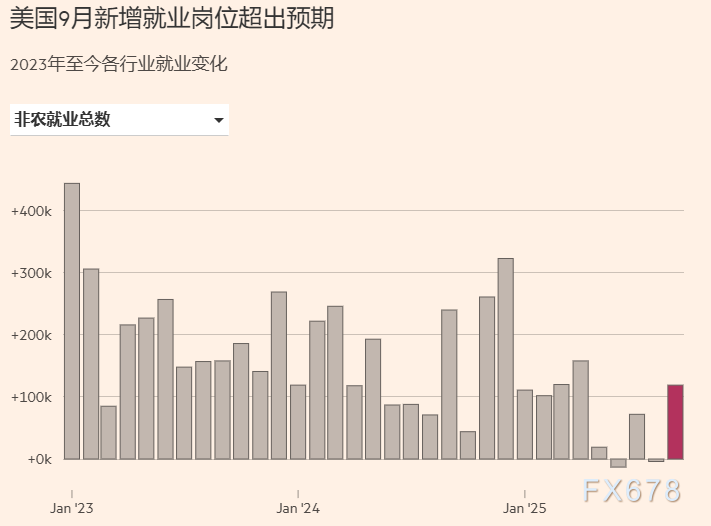
After a long period of strong performance, many committee members believe the labour market is beginning to show signs of cooling, with unemployment creeping up and some private sector data pointing to a slowdown in hiring, despite recent swings in employment data.
Many survey respondents agreed with some officials that the Fed should focus more on controlling inflation. Nearly half believed price stability should be the top priority, while a minority believed the focus should be on employment. The rest wanted a balance between the two. This policy tradeoff directly affects global capital flows and the volatile environment in the gtc foreign exchange market.
"Perhaps a more inflation-focused single target should be considered. Evidence of a direct and significant impact of monetary policy on employment has not been fully substantiated," said Prof. Yu.
Cautious officials also point to the resilience of U.S. economic growth, while pro-easing officials emphasize the economy's reliance on the prosperity of specific industries that both drive investment and support consumption through asset markets.
Respondents were also asked about the potential impact of large swings in financial marekts. Some believe it could trigger a recession, while many believe it could lead to weaker growth, but not yet a serious downturn.
Please indicate the source: https://www.daoctech.com/fxnews/2279.html
Disclaimer: The content of this article does not represent the views of the Institute of Foreign Exchange. The content is for reference only and does not constitute investment advice. Investors operate accordingly at their own risk.