
A list of the world's top 10 central bank interest rate policies: the United States, Europe, the United Kingdom, the Bank of Japan remains dovish
On Thursday (October 26), the European Central Bank (ECB) ended a 15-month streak of interest rate hikes after keeping interest rates unchanged at historic highs, echoing recent actions by the Federal Reserve and the Bank of England.
The world's major rate-setting bodies are ready to announce the end of their fight against inflation and begin lowering interest rates, ushering in the end of the most aggressive monetary tightening cycle in decades.
So far, nine advanced economies have raised a combined 3,965 basis points (bps) through rate hikes in the cycle, starting in September 2021. Japan is the only one to take a dovish stance.
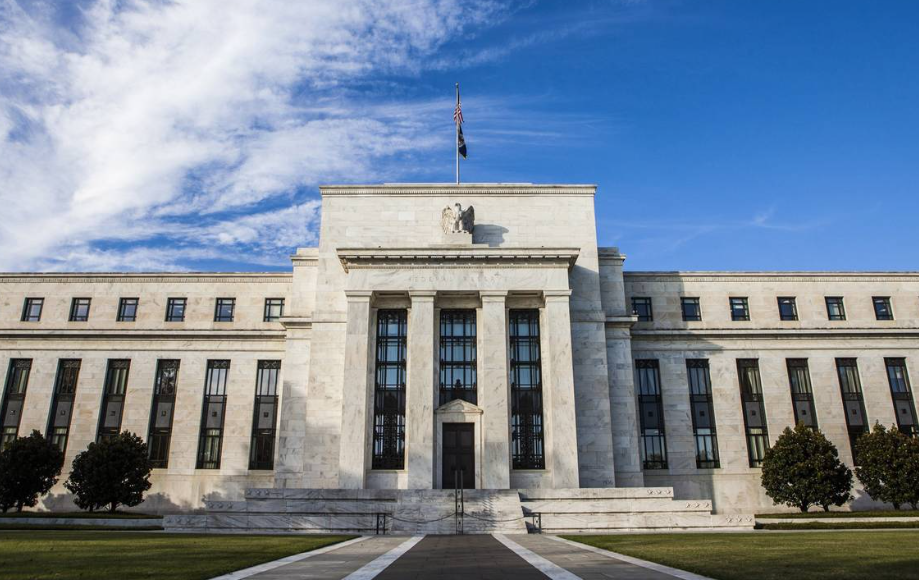
Here are the positions of central banks, from hawks to doves:
1. United States
Upcoming meeting of the American League. The Federal Reserve is expected to keep interest rates at 5.25% -5.50%, but is unlikely to ease its hawkish tendencies to maintain tight monetary policy. In a speech on October 23, Federal Reserve Chairperson Jay Powell said that a strong economy and a tight job market may require further rate hikes. According to traders, a rate cut is unlikely until early 2024.
2. New Zealand
The Reserve Bank of New Zealand kept its cash rate at 5.5 percent in May, the highest level in 15 years. In November, however, the bank was seen as unlikely to cut rates. Inflation in New Zealand hit 5.6 percent in the third quarter, its lowest level in two years, but still well above the Reserve Bank of New Zealand's inflation target of 1 percent to 3 percent.
3. United Kingdom
The Bank of England is expected to keep interest rates at 5.25 percent on Nov. 2, a move to balance a weak economy against a backdrop of high domestic inflation and a Middle East conflict that could trigger a surge in energy prices.
Interest rate futures show that traders generally believe that the Bank of England will not cut interest rates, which are currently at their highest level since 2008, and will not consider cutting rates until at least June 2024.
4. Canada
The Bank of Canada kept its key overnight interest rate at 5 per cent on October 25. Investors see further rate rises as unlikely based on current market pricing, but they are also not betting on a rate cut.
Inflation, which topped 8 per cent last year, fell to 3.8 per cent in September, but the Bank of Canada also said it would not return to its 2 per cent target before the end of 2025.
5. Europe
The European Central Bank kept its key interest rate on hold at 4 percent on Thursday, noting that the latest data continue to show inflation falling slowly, approaching its 2 percent target.
The ECB said its past rate rises continued to feed strongly into funding conditions and noted that it would adopt a "data-dependent" approach, with future decisions based on forthcoming data.
6. Norway
Norges Bank hiked its key interest rate by 25 basis points to 4.25% at the end of September and hinted it could raise it again in December.
However, September's inflation data was lower than expected. Norwegian Prime Minister Jonas Gahr Stoere said in parliament last week that interest rates may have peaked, suggesting further increases may not be forthcoming.
7. Sweden
Sweden raised its main interest rate to 4% in September and faces a difficult decision. The Swedish economy is expected to contract by 0.7% in 2023, according to a survey of economists conducted by Reuters. And in September, Sweden's inflation rate (excluding energy price fluctuations) was as high as 6.9%, a rather worryingly high level.
8. Australia
The Reserve Bank of Australia left interest rates unchanged at 4.1% at its fourth meeting in October. After a stunning increase in inflation in the third quarter, the market is expecting a roughly 60% chance of a 0.25 percentage point hike next month. In addition, RBA Governor Michele Bullock also warned that further monetary tightening is possible if the inflation outlook worsens.
9. Switzerland
The Swiss franc reached its highest level against the euro since 2015 on October 19, as the outbreak of the Gaza conflict continued a long-term trend of currency strength. The strong franc helped the SNB control inflation, which was within the target range at 1.7 percent for the year ending in September. However, it also threatened Swiss exports, especially during a period of economic stagnation.
Futures markets expect the SNB to leave its policy rate unchanged at 1.75% in December before assessing its next move.
10. Japan
The Bank of Japan has been conservative in the face of rising global interest rates, intervening heavily in domestic bond markets to keep borrowing costs below the 1 per cent ceiling.
However, as the pressure mounts, there is speculation that the BoJ may need to adjust its policy of keeping borrowing costs at the 1 per cent ceiling, raising the ceiling.
Please indicate the source: https://www.daoctech.com/fxnews/937.html
Disclaimer: The content of this article does not represent the views of the Institute of Foreign Exchange. The content is for reference only and does not constitute investment advice. Investors operate accordingly at their own risk.