
The unemployment rate in the UK has reached a four-year high, and the pound has rebounded slightly against the dollar pending data
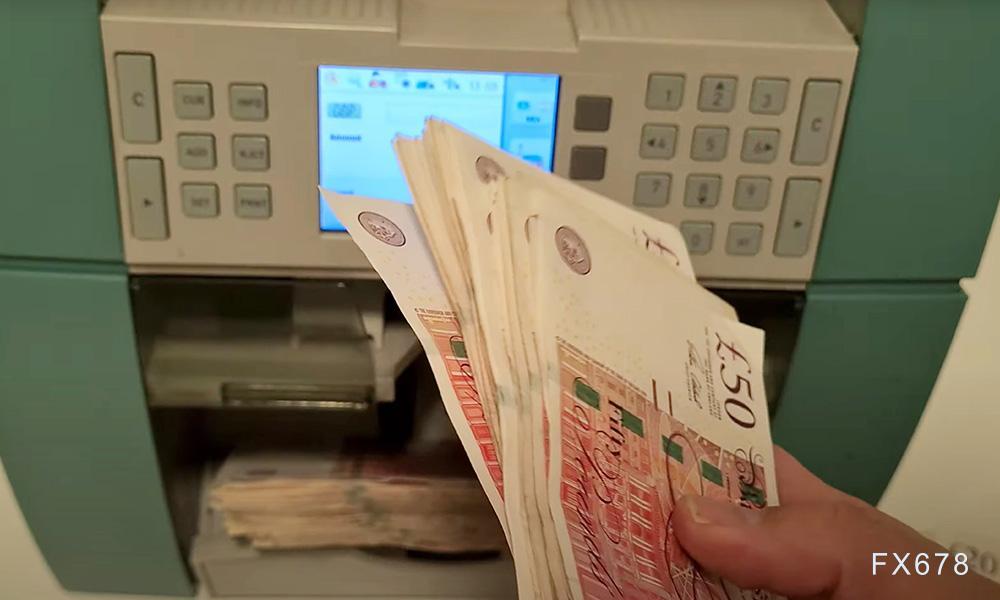
In Asian trading on Thursday, the pound remained range-bound against the dollar, with the exchange rate hovering around 1.3575. Market traders are generally taking a wait-and-see attitude due to the release of key economic data from the UK and the US. Later, the preliminary figures for the UK's second-quarter gross domestic product (GDP) and the US producer price index (PPI) for July will be released successively.
In the US, the cooling labour market has further strengthened expectations that the Fed will cut rates, with the odds of a 25 basis point cut in September rising from 85 per cent to 94 per cent, according to the CME FedWatch tool.FXTAnalysts believe that the rapid increase in expectations of monetary policy easing may continue to weigh on the dollar, which in turn provides some support for the pound's trend.
However, if the upcoming US PPI data is higher than market expectations, it could prompt traders to cut interest rate bets, limiting the dollar's downside.
The current market expectation is that the US PPI growth rate in July may reach 2.5% year-on-year, and the core PPI growth is expected to be 2.9% year-on-year. If the actual data is higher than the above estimates, the dollar may be able to find some support in the short term.
In the UK, the jobless rate remained at 4.7 per cent for the three months to June, in line with market expectations and at its highest level since July 2021, according to the latest employment figures, which have put unemployment back on investors' radar at a four-year high.
Average pay growth excluding bonuses, meanwhile, remained unchanged at 5.0 per cent year-on-year, with economists noting that the resilience of the labour market and persistent wage pressures could leave the Bank of England in a dilemma over policy decisions in the context of high inflation.
Markets are closely watching the UK's second-quarter GDP data to be released later, hoping to find clues to the follow-up policy path of the Bank of England. If GDP growth falls short of expectations, the pressure on the Bank of England to cut interest rates will increase, which will affect the trend of the pound.
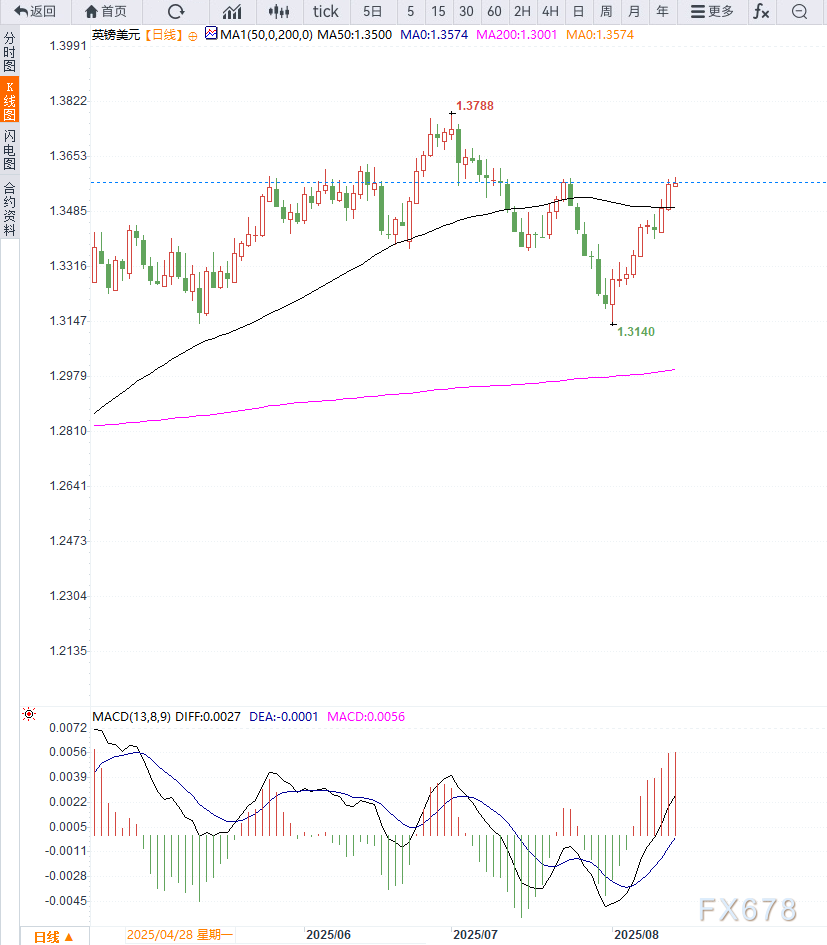
From the daily chart, the pound against the dollar is currently in the range of 1.3550 to 1.3600, and the short-term moving average is trending towards adhesion. If the exchange rate can effectively break through the resistance area around 1.3620, it is expected to further explore the 1.3680 or even 1.3720 level in the future.
On the contrary, once it falls below the 1.3550 support level, the exchange rate may fall back to the 1.3500 or even 1.3450 line. In terms of technical indicators, the MACD fast and slow lines are intertwined, and the kinetic energy column is located near the zero axis, indicating that the forces of the long and short sides are temporarily confronting, and the follow-up trend still needs to wait for key data to guide the direction.
Editor's opinion: Based on the current market situation, FXT analysts believe that the short-term trend of the pound against the dollar still lacks a clear direction, and the real volatility catalyst is likely to come from today's GDP and PPI data. If US inflation pressures unexpectedly rise and UK economic data is weak, the pound may face downside risks; conversely, the dollar may be under pressure and the pound is expected to gain short-term upward momentum.
Please indicate the source: https://www.daoctech.com/fxschool/2648.html
Disclaimer: The content of this article does not represent the views of the Institute of Foreign Exchange. The content is for reference only and does not constitute investment advice. Investors operate accordingly at their own risk.